
For many Virginia drivers, switching to an electric vehicle (EV) like a Tesla Model 3 or a Rivian R1T represents the future of driving: no more gas stations, cutting-edge technology, and unparalleled performance. But what happens when that future spends more time in the service center than on the Blue Ridge Parkway?

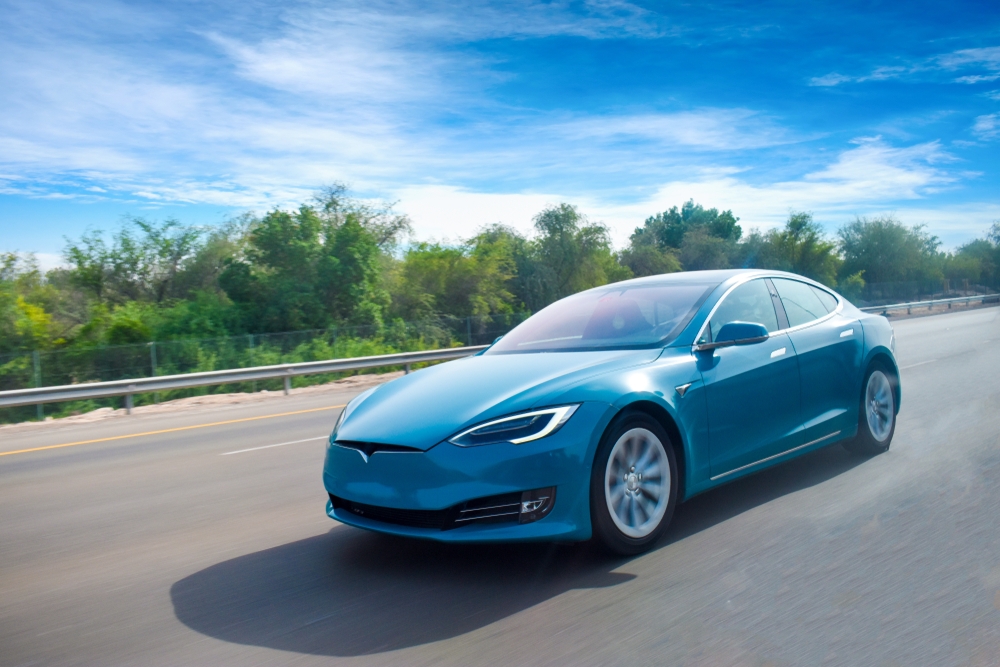
If you’ve purchased a high-end EV only to deal with recurring battery failures, software glitches, or phantom braking, you may be wondering if the laws written for gas engines still protect you.
The short answer: Yes. Virginia’s Lemon Law (the Virginia Motor Vehicle Warranty Enforcement Act) applies to electric vehicles just as it does to traditional cars. However, the high-tech nature of Teslas and Rivians introduces unique legal challenges that require an experienced attorney to navigate.
Understanding the Virginia Lemon Law Basics for EVs
In Virginia, a vehicle is legally considered a lemon if it has a significant defect that the manufacturer cannot fix within a reasonable number of attempts. Under Va. Code § 59.1-207.13, you likely have a claim if any of the following occur within the first 18 months of delivery:
- Three or more repair attempts for the same non-conformity (defect).
- One repair attempt for a "serious safety defect" that remains unrepaired.
- The vehicle is out of service for a cumulative total of 30 calendar days or more due to repairs.


Stuck With a Lemon? You Could Be Entitled to a Full Refund.
Speak With Our Legal Team
434-216-0166Common Lemon Defects in Tesla and Rivian Vehicles
While traditional cars suffer from transmission or engine failure, EVs face a different set of non-conformities. We have seen an increase in claims involving:
1. Battery and Charging Failures
The battery is the heart of your EV. If your Tesla is experiencing rapid battery degradation far beyond normal wear, or if your Rivian refuses to accept a charge despite multiple fixes, these are substantial defects that impair the use and value of the vehicle.
2. Autopilot and ADAS Glitches
Tesla’s Autopilot and Rivian’s Driver+ systems are primary selling points. However, issues like phantom braking (where the car slams on the brakes for no reason) or sensor failures that disable safety features are considered serious safety defects. Under Virginia law, a single failed attempt to fix a life-threatening safety defect may be enough to trigger a lemon law claim.
3. Software and Over-the-Air (OTA) Updates
This is the new frontier of Lemon Law. Tesla and Rivian often try to fix mechanical or safety issues via remote software updates.
- The Problem: Manufacturers may argue that an OTA update doesn't count as a repair attempt.
- The Reality: If a software update fails to resolve the underlying issue, or if you are forced to wait weeks for a future update while your car remains unsafe, your consumer rights are being violated.
Similar Post: Can a Bad Infotainment System or Safety Feature Qualify as a Lemon Defect in Virginia?
The Service Center Struggle: Tesla and Rivian’s Unique Hurdles
Unlike Ford or GM, Tesla and Rivian do not have a traditional dealer network in every Virginia town. This can lead to:
- Extreme Repair Delays: If your vehicle is sitting at a service center in Richmond or Tysons Corner for weeks because they are waiting on parts, those days count toward the 30-day out of service rule.
- Mobile Service Logs: If a Tesla Ranger comes to your house to perform a repair, ensure you receive a digital or physical Repair Order. Without documentation of these visits, it is harder to prove the number of repair attempts.
The Magnuson-Moss Warranty Act: Your Federal Backup
Even if your vehicle falls slightly outside the 18-month Virginia Lemon Law window, you aren't out of luck. The Magnuson-Moss Warranty Act is a federal law that protects consumers when a manufacturer fails to honor its written warranty. Most Tesla vehicles come with a 4-year or 50,000-mile basic warranty, along with an 8-year battery and drive unit warranty. Rivian also usually offers an 8-year battery warranty, but it often provides a longer basic warranty of up to 5 years or 60,000 miles depending on the model and configuration. We can often seek Cash and Keep settlements or buybacks under federal law long after the state's Lemon period has ended.
What Should You Do if Your EV Is a Lemon?
If your Tesla or Rivian is constantly throwing system fault codes or failing to drive as promised, take these steps immediately:
- Save Every Communication: Keep copies of every service request, every message in the Tesla/Rivian app, and every email from your service advisor.
- Request Formal Repair Orders: Even for software updates or mobile service, insist on a document that lists the date the car went in, the date it came back, and the specific complaint.
- Do Not Just Wait for an Update: If the manufacturer tells you a fix is coming soon in a software patch, but the car remains defective now, start the legal process. You shouldn't have to pay for a vehicle you cannot safely drive.
Similar Post: What Are Common Mistakes People Make That Weaken Their Lemon Law Cases?
Why Choose James B. Feinman, Attorney at Law for Your EV Lemon Law Claim?
With over 40 years of experience, James B. Feinman has stayed ahead of the curve as the automotive industry has shifted to electric. Our firm understands the specific technical architecture of EVs and the corporate tactics used by Tesla and Rivian to avoid buybacks.
The best part? Under Virginia law, if we win your case, the manufacturer is typically required to pay your attorney’s fees. You can get the justice you deserve without the stress of upfront legal costs.
Contact James B. Feinman, Attorney at Law for a Free Lemon Law Consultation in Virginia
Don't let a defective battery or a buggy computer system drain your wallet. If you live in Lynchburg, Richmond, Roanoke, or anywhere in Virginia, call us today at 434-216-0166 or contact us online to see if your EV qualifies for a full refund or replacement.
Disclaimer: This blog is intended for informational purposes only and does not establish an attorney-client relationship. It should not be considered as legal advice. For personalized legal assistance, please consult our team directly.