

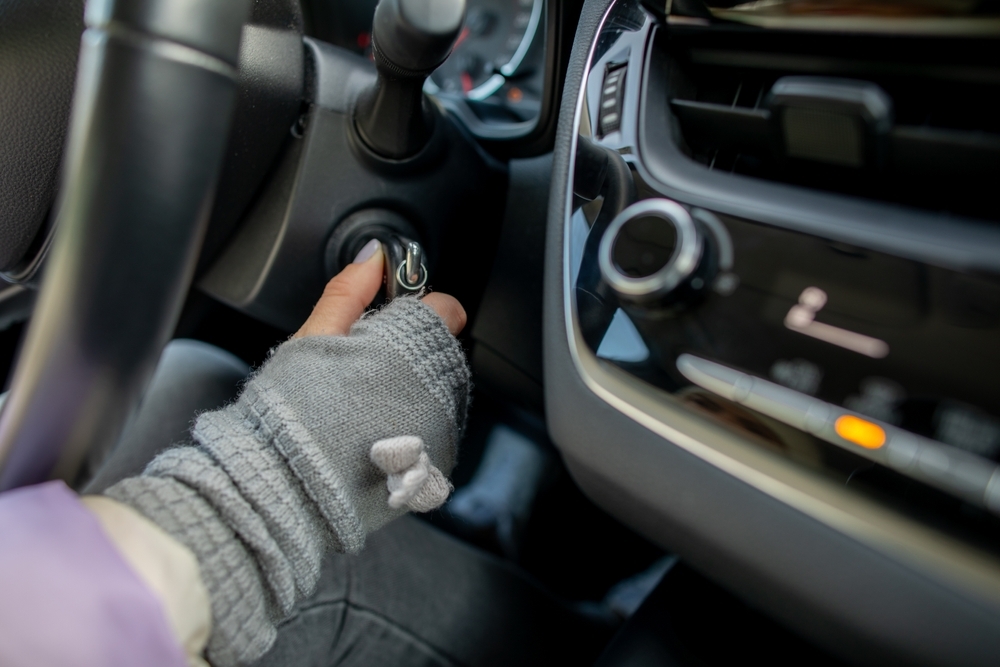
When your vehicle acts up in the middle of winter, it is easy to blame the weather. Cold temperatures, snow, ice, and road salt can all make cars harder to start, harder to stop, and harder to control. However, not every problem you experience in winter comes from the forecast. Sometimes, a recurring issue in cold weather is a sign of an underlying vehicle defect.
Knowing the difference between ordinary winter trouble and a potential defect matters in Virginia. If the problem stems from poor design or a faulty component, you may have rights under the Virginia Lemon Law, federal warranty laws, or even a personal injury claim if the defect caused a crash. If the problem stems from normal winter wear, your options usually look very different.
Why Winter Weather Complicates Vehicle Problems
First, it helps to acknowledge that winter really does stress vehicles. Cold temperatures can:
- Thicken engine oil and transmission fluid
- Reduce battery power and make starting more difficult
- Lower tire pressure and affect handling
- Make road surfaces slick and reduce traction
Because of these conditions, some minor changes in performance are expected when temperatures drop. Your car may take slightly longer to start, your tires may need more air, and your brakes may feel different on icy or salted roads.
However, when serious problems appear, especially when they repeat, you should not assume winter weather is always the culprit.
Signs You Might Be Dealing With Normal Winter Issues
Some issues fall into the category of ordinary winter headaches. These problems are annoying but often respond to routine maintenance.
Common examples include:
- A battery that is several years old and struggles only on the coldest mornings
- Tire pressure warnings that appear when temperatures swing and then normalize after adjustment
- Slight squeaking from brakes after driving through snow, slush, or road salt
- A little slipping when you accelerate too quickly on ice or packed snow
If the problem disappears once temperatures warm up, or if a simple maintenance fix solves it, you may be dealing with predictable winter effects. Regular service can often prevent these from turning into larger failures.
Warning Signs That Suggest A Possible Vehicle Defect
In contrast, some patterns point to possible defects rather than ordinary winter behavior. When problems involve safety systems or appear repeatedly despite repairs, you should pay closer attention.
Red flags may include:
- Brakes that fail, grab, or pull even in dry conditions
- Sudden loss of power steering while driving
- Engines that stall at speed, not just at start up
- Transmission issues such as slipping, harsh shifting, or refusal to engage
- Electrical systems that shut down or cause dashboard warnings to light up without clear cause
- Repeated temporary fixes that never last
If the same system fails multiple times, especially within the warranty period, you may be looking at a nonconformity under the Virginia Lemon Law or a defect that raises safety concerns. Winter conditions might make the problem show up more often, but the root cause may still lie in the vehicle itself.
How To Document Problems When You Are Not Sure
Because winter can mask or trigger defects, documentation becomes very important. If you suspect something more than everyday cold weather trouble, you can start building a record now.
Helpful steps include:
- Writing down dates and conditions
- Noting the temperature, road conditions, and what you were doing when the problem occurred.
- Describing the symptoms clearly
- Recording noises, warning lights, loss of power, or changes in steering or braking.
- Saving repair orders and invoices
- Making sure the service department writes an accurate description of your complaint, even if they cannot reproduce it that day.
- Noting repeat visits for the same issue
If you return again and again for the same problem, that pattern can matter for Lemon Law and warranty analysis.
This kind of record helps separate it was just cold from this car has a recurring safety problem.
Similar Post: What Are Common Mistakes People Make That Weaken Their Lemon Law Cases?
Why The Difference Matters For Lemon Law And Warranty Claims
In Virginia, the Lemon Law and federal warranty laws focus on defects and nonconformities, not on normal effects of weather or wear. To qualify for relief, you generally need to show:
- A substantial problem with the vehicle
- Repeated repair attempts or an extended loss of use
- Issues that arise within certain time or mileage limits
If the manufacturer or dealer can blame everything on winter weather or neglect, they may argue that you have no Lemon Law claim at all. On the other hand, if records show that the same brake, steering, engine, or electrical problem appears in different conditions and has never been fixed correctly, you may have a stronger argument that a true defect exists.
This distinction can mean the difference between driving a risky vehicle through another winter and having options for repurchase, replacement, or compensation under the law.
Why The Difference Also Matters For Accident And Injury Claims
The question of winter weather versus vehicle defect also matters when a crash occurs. If icy roads caused your tires to slide, that may be treated as an unfortunate winter accident. However, if a hidden defect in the braking system or steering caused you to lose control, your legal options may expand.
A defect related crash can lead to:
- Claims against the manufacturer or others in the supply chain
- Investigation into recalls, technical service bulletins, or known problems with your model
- Different insurance and liability analysis than a simple bad weather collision
In serious injuries or wrongful death cases, correctly identifying whether a defect played a role becomes crucial for both accountability and compensation.
How A Lemon Law And Injury Lawyer Can Help You Sort It Out
Most drivers are not mechanics, and they are not expected to diagnose the exact cause of a vehicle problem on their own. When winter conditions and possible defects overlap, it helps to have someone who knows how to ask the right questions and read the right records.
A lawyer experienced in Virginia Lemon Law can:
- Review repair histories and warranty documents
- Look for patterns that suggest repeated defect related complaints
- Coordinate with experts when necessary to evaluate mechanical issues
- Analyze whether your situation fits within Lemon Law or warranty frameworks
- Help you avoid statements that allow manufacturers to dismiss your concerns as just winter
This kind of review can make the difference between walking away frustrated and asserting rights you did not realize you had.
What You Can Do Now If You Suspect More Than Winter Weather
If your car has been in and out of the shop for the same issue, or if you feel unsafe driving it when temperatures drop, you do not have to simply accept the situation.
You can:
- Gather your repair orders and warranty papers into one folder
- Make a written timeline of problems and service visits
- Note how the issue affects your ability to drive safely and reliably
- Reach out for a case evaluation before another winter season passes
Similar Post: Is There a Time Limit to File a Lemon Law Claim in Virginia?
Concerned About A Possible Vehicle Defect In Virginia? Contact James B. Feinman, Attorney at Law
When a vehicle problem shows up in winter, it is easy to assume that cold weather is to blame. Yet sometimes, the real issue is a defect that the manufacturer should address. Knowing the difference can protect your safety on Virginia roads and your rights under Lemon Law.
If you believe your car’s problems go beyond normal winter behavior, James B. Feinman, Attorney at Law can review your situation and help you understand your options. The firm can examine your repair history, evaluate whether a defect may be involved, and explain how Virginia Lemon Law and other consumer protection tools may apply to your case.
You can call us at 434-216-0166 or submit an online contact form to schedule a free consultation and talk through your concerns. With guidance, you can move from guesswork about winter weather versus vehicle defect to a clearer plan for protecting your vehicle, your safety, and your future.
Disclaimer: This blog is intended for informational purposes only and does not establish an attorney-client relationship. It should not be considered as legal advice. For personalized legal assistance, please consult our team directly.